
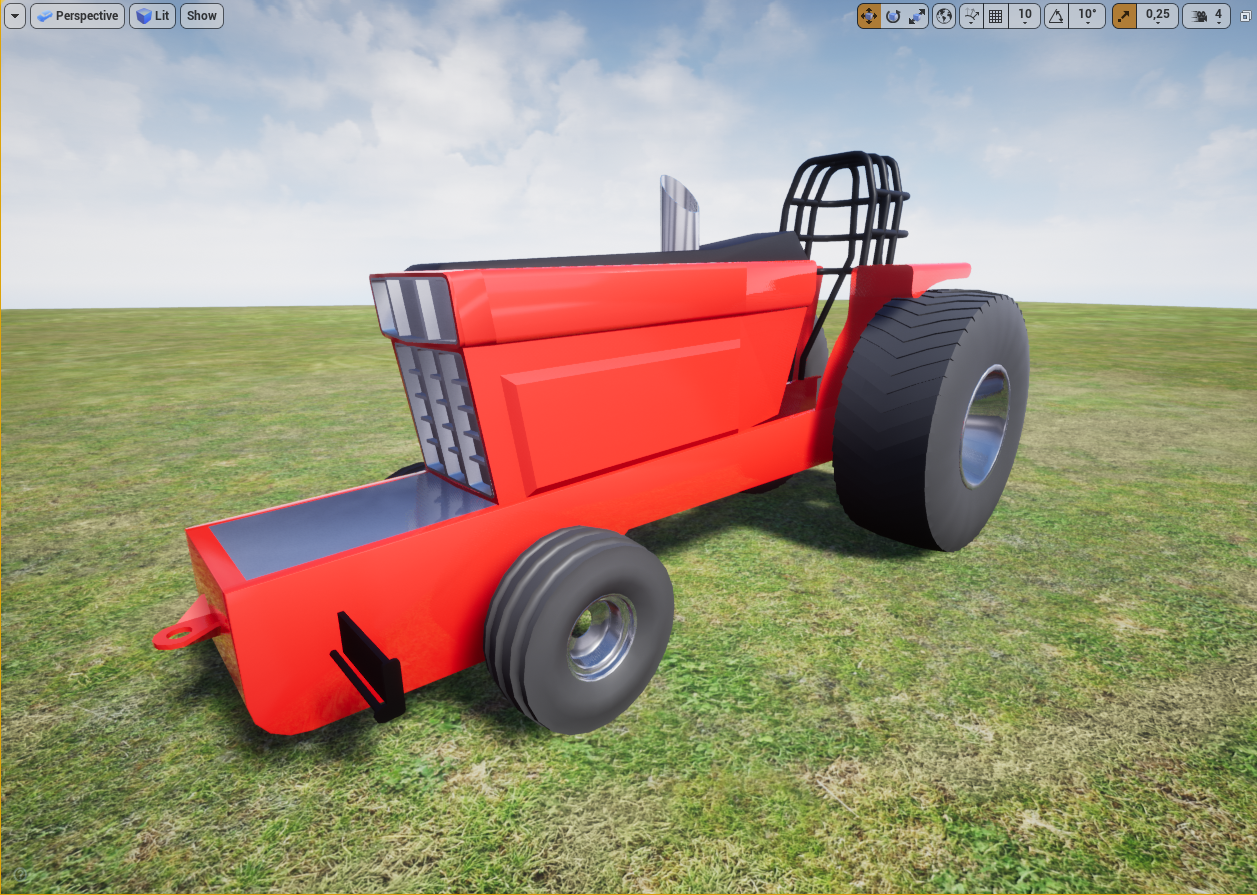


Devblog #2 took me longer than I hoped....
Read MoreCapeta Portuguese !!install!! May 2026
It is no accident that Capeta remains a cult classic in Brazil and Portugal. In countries where economic instability is a generational inheritance, Capeta is not a hero to imitate; he is a mirror. He shows the child who dreams of the podium that the real race is not against the driver in front, but against the arithmetic of a world that never intended for him to win. And when he does win, the devil in the kart asks for his receipt. It is, by far, the most mature and devastating essay on motorsport ever drawn.
Capeta answers with tragic honesty. The boy wins, but the father ages in dog years. When Capeta finally reaches the pinnacle, the audience feels the hollowness—the ghost of a father who worked himself into a shadow. This is not the American Dream; it is the Portuguese saudade —a melancholic longing for a time before the sacrifice was necessary. The most devastating scene in the series occurs early on: Capeta, driving a homemade kart, laps a wealthy boy in a professional chassis. The rich boy’s father protests, not because of unsafe driving, but because of embarrassment . Here, Soda performs a masterful act of social critique. capeta portuguese
This is the "Capeta" (the devil) collecting his debt. Portuguese culture has a famous saying: "O combinado não sai caro" (What is agreed upon is not expensive). But Capeta never agreed to lose his soul. The narrative posits that professional sport is not an extension of childhood play; it is its antithesis. By the time he reaches the tarmac of Formula One, the protagonist is a ghost—a perfect driver, but an empty human. Western sports stories teach us that hard work plus talent equals happiness. Capeta , viewed through the Portuguese lens of fado and social realism, teaches a harder lesson: Hard work plus talent equals survival, but the cost is your youth, your father’s health, and your capacity for joy. It is no accident that Capeta remains a
In the context of Brazilian autodromos (like Interlagos), this is a daily reality. Motorsport is a billionaire’s playground. Capeta argues that talent is abundant; opportunity is not. The kart becomes a metonym for the working class’s only weapon: . Capeta doesn't win because he is smarter; he wins because losing means returning to the factory floor. This existential pressure transforms racing from a sport into a survival mechanism. The Loss of Joy: The Devil’s True Payment In the second half of the manga, when Capeta enters Formula Three, a subtle horror sets in. The boy who once laughed while drifting in the rain becomes a stoic, data-obsessed machine. He loses his friends, his romantic relationships become transactional, and his only language is lap times. And when he does win, the devil in