In the sprawling ecosystem of automatic identification and data capture (AIDC), barcodes are the silent workhorses. While the ubiquitous UPC (Universal Product Code) dominates retail checkouts, and QR codes connect the physical world to the digital realm, the unsung hero of industrial, government, and logistical tracking remains the Code 39 font. More than just a set of black and white stripes, Code 39 represents a foundational standard in barcode symbology—one whose design as a true "font" has been key to its decades-long resilience. The Genesis of a Standard Developed in 1974 by Dr. David Allais and Ray Stevens of Intermec Corporation, Code 39 (originally named "Code 3 of 9") was designed to solve a critical problem: the need for a simple, self-checking, alphanumeric barcode that could be printed with standard impact printers. Unlike the numeric-only UPC, Code 39 could encode letters, numbers, and a handful of symbols. Its defining breakthrough was the use of two wide elements out of every nine (hence "3 of 9"—three wide elements total: two bars and one space, or vice versa, depending on interpretation). This ratio-based design makes it highly tolerant of printing imperfections—a vital feature in the 1970s and 1980s when dot matrix printers and crude labeling methods were the norm. How a "Code 39 Font" Works The term "Code 39 font" is both literal and metaphorical. In traditional typography, a font maps a keypress to a character's visual shape (e.g., pressing 'A' shows an 'A'). A Code 39 font works the same way, but the "characters" are patterns of bars and spaces. When you install a Code 39 TrueType or OpenType font on your computer, typing "ABC123" in that font renders the corresponding barcode pattern.
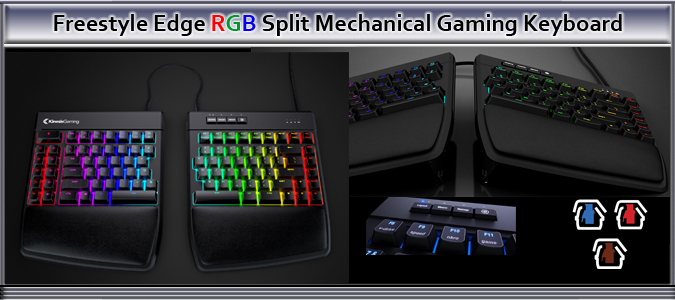
The Freestyle Edge RGB Split Mechanical Gaming Keyboard from Kinesis Gaming is the nextgen version of the Freestyle Edge Gaming Keyboard. Now featuring brilliant fully addressable RGB backlighting, this keyboard combines the advanced features and customization options that high performance gamers demand with the proven ergonomic benefits of a split keyboard. Users can select one of the pre-programmed lighting modes or can customize each layout and layer to meet their own needs, right down to individual keys. Performance features include 9 Dual Layer Layouts, Macro Recording and High-speed Playback, One-Touch Key Rebinding, NKRO Mode, 100% Anti-Ghosting along with many others. The Freestyle Edge RGB is available equipped with RED, BLUE, BROWN, or SILVER Cherry MX mechanical Switches to meet the specific needs or preferences of each user. Programming can be done direct to the keyboard or through the SmartSet APP (available for both Windows and Mac). The ergonomics of the Freestyle Edge are based on years of proven design and finally provide gamers with an ideal combination of Performance and Ergonomics. The ergonomic features of the Freestyle Edge RGB Split Mechanical Gaming Keyboard can potentially improve performance while still reducing the risks associated with heavy keyboard use.