A reliable tool to batch export Outlook PST files to MSG format without Outlook. It preserves email data, attachments and folder structure while handling bulk PST to MSG conversion quickly. Try it for Free!
Hassle-free way to convert PST file to MSG files with attachments
Choosing Advik PST to MSG Converter over any other can offer you more than you can expect. The reason is that it offers more than just PST to MSG file conversion. Such as preserving the original structure of PST emails, metadata, selective conversion, batch export, and many more. This is why many IT professionals prefer to use Advik PST to MSG conversion tool.
When to Use Advik PST to MSG Converter?
Video Tutorial
How to Convert PST to MSG Format Automatically?
Efficient Application to Convert Corrupted, Orphaned PST files to MSG Format
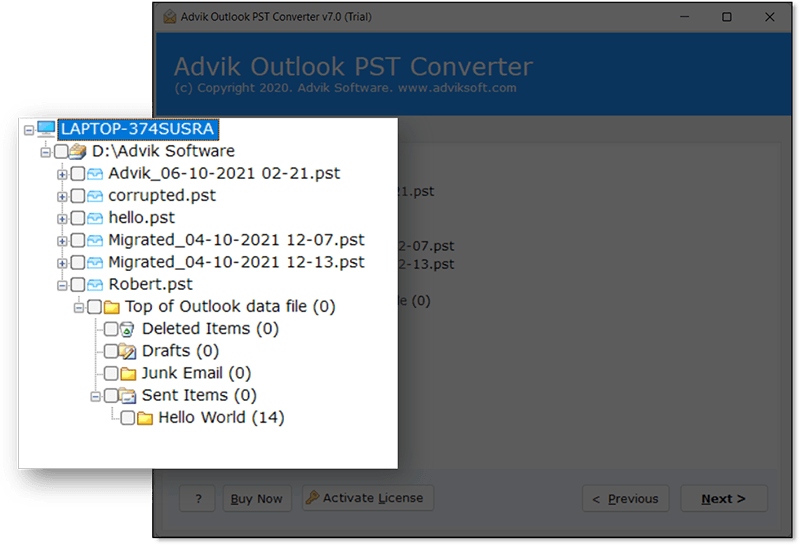
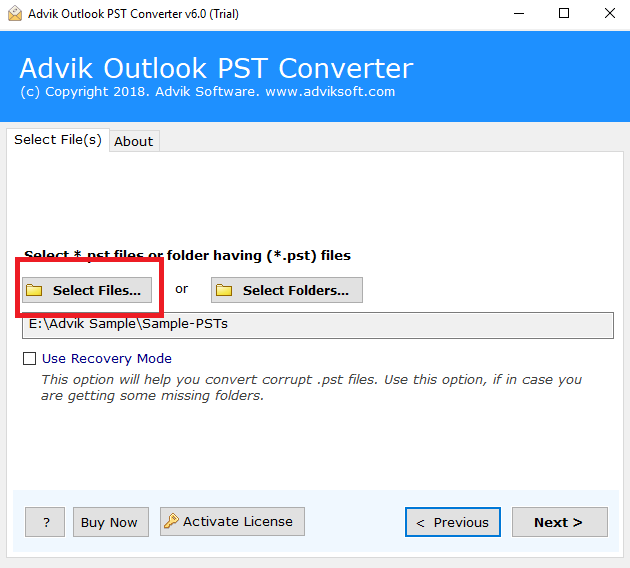
The software lets you export PST to MSG files in bulk. You can customize your conversion preferences by including multiple PST folders or files at once. There's no need to export PST files one by one. The batch mode option will help you to convert multiple PST files at once. All you have to do is move the PST files into one folder. Then launch the tool and click "Select Folder", now select this folder for conversion. This way you can convert multiple PST files to MSG file format in batch.
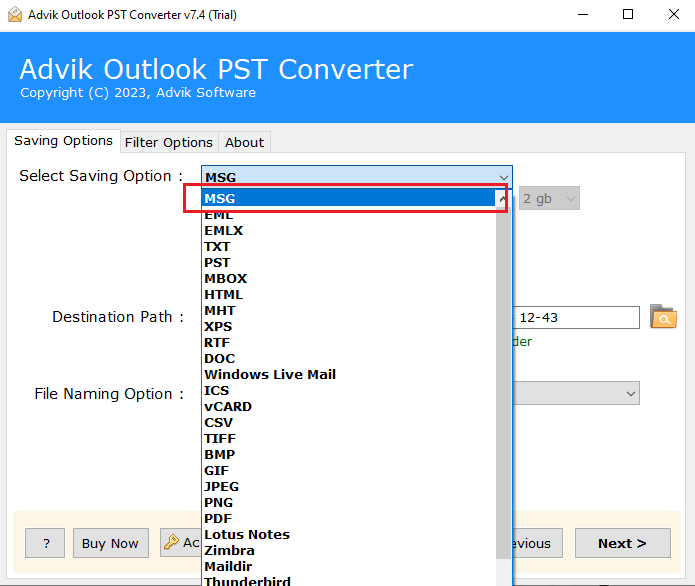
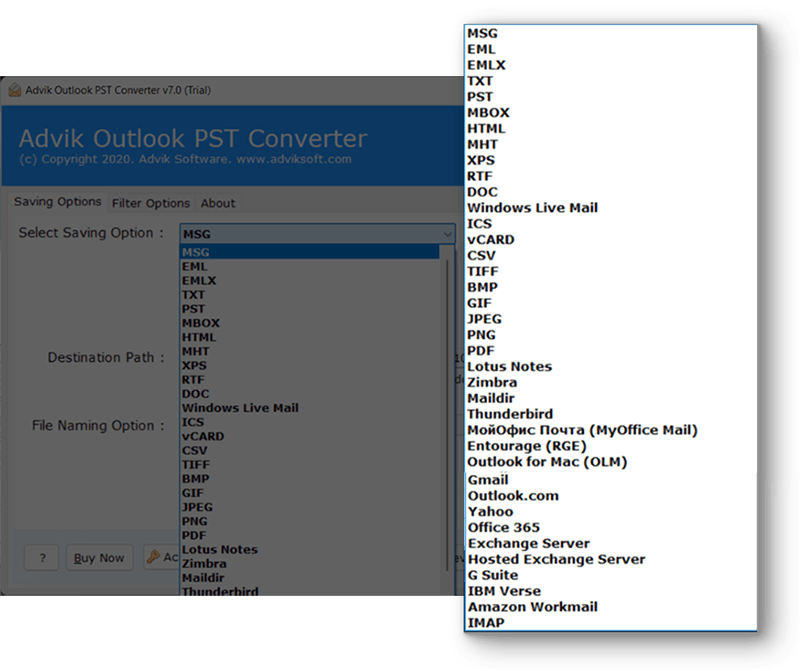
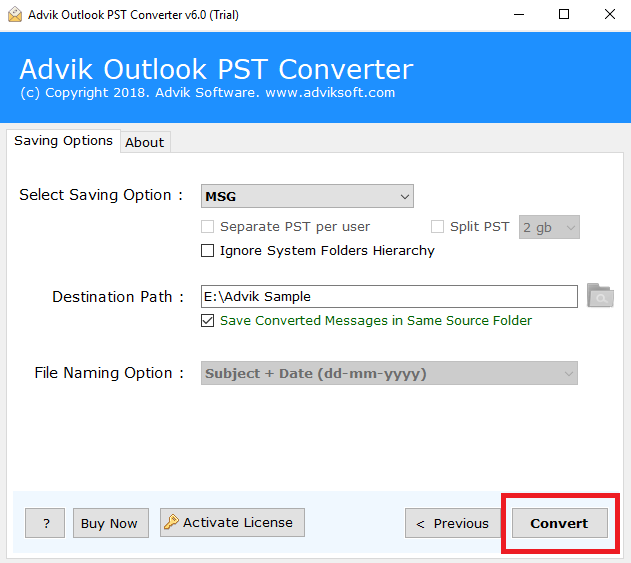
Apart from PST to MSG Conversion, this remarkable software also allows users to save PST files in several formats. You can convert PST to EML, EMLX, TXT, MBOX, HTML, MHT, XPS, RTF, DOC, ICS, VCard, and CSV File Formats. Therefore, it becomes easy to access PST emails on different email platforms. It is a one-stop solution for all PST file conversion needs.
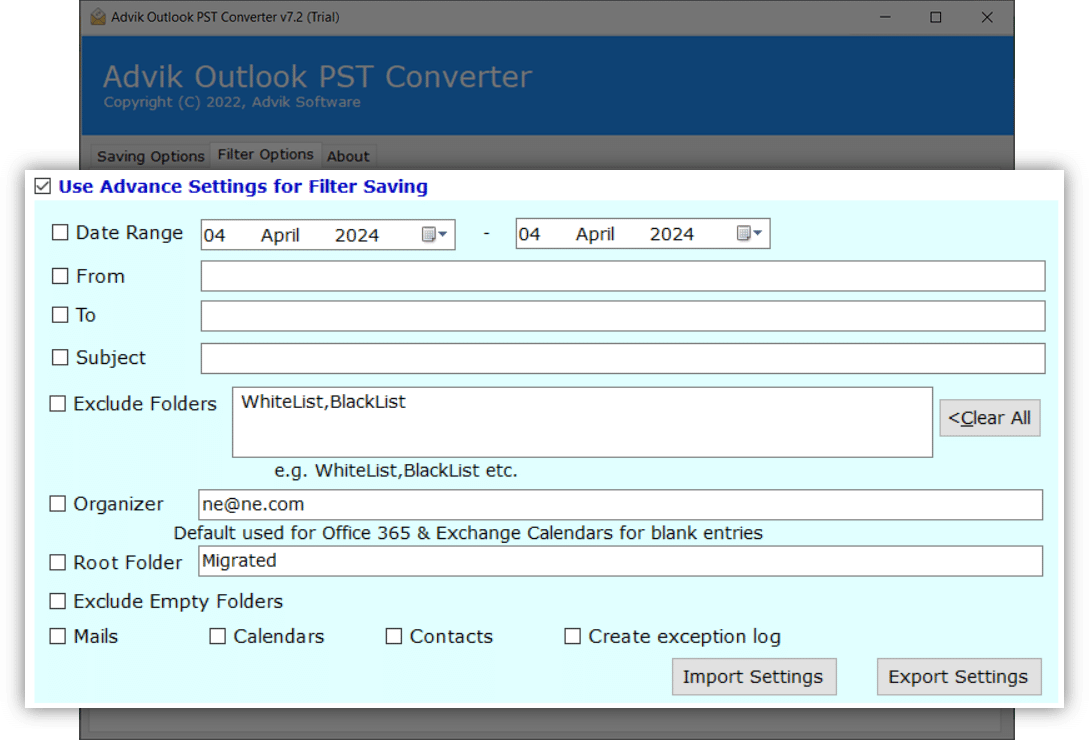
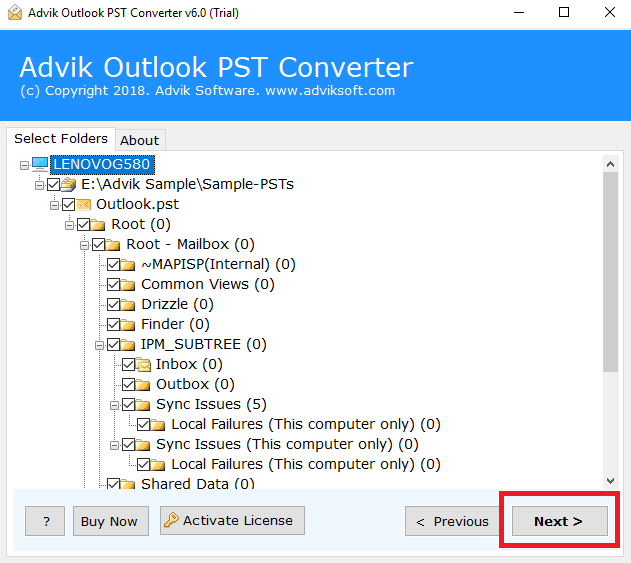
For users with large amounts of PST file data, the tool offers an email filter option. This allows users to convert a select set of emails by specifying a date range, subject, To, from, etc. With this feature, users can easily exclude unwanted data or emails, free up storage space, and save PST files quickly after conversion. Simply define a specific email filter to move the PST file to enable the conversion of only the desired emails.
The Paradox of the Cage: Jinchūriki Sealing Techniques and the Sociopolitics of Power in Naruto
In Masashi Kishimoto’s Naruto , the "demon seal" is not merely a plot device for containing the Nine-Tailed Fox; it is a metaphysical representation of systemic oppression, trauma, and the duality of power. This paper analyzes the structural mechanics of the Eight Trigrams Sealing Style (Hakke no Fūin Shiki) and the Four Symbols Seal (Shishō Fūin), arguing that their design flaws—specifically the leakage of chakra—are deliberate narrative mechanisms. Furthermore, it examines how the seal functions as a political metaphor for the village’s marginalization of Jinchūriki.
[Generated Analysis] Date: April 14, 2026
The "demon seal" (often colloquially referred to as the "Roof Tile Shuriken" of sealing) is introduced as the sole reason protagonist Uzumaki Naruto survives infancy. However, unlike standard barriers, the seal placed by the Fourth Hokage, Minato Namikaze, is intentionally incomplete. This paper posits that the seal’s porosity is a functional requirement for Bijuu absorption, but simultaneously acts as a permanent mark of "othering."
The seal serves a dual political function. For the village, it is a containment vessel for a weapon of mass destruction. For the Jinchūriki, it is a prison without parole. Drawing parallels to Cold War deterrence theory, the paper argues that the seal represents the "Ugly American" or the scapegoat—the necessary evil that a community depends upon but refuses to accept. The Demon Seal is the physical manifestation of Konoha’s hypocrisy: they need the beast’s power but punish the child who bears it.
The narrative arc of the series involves the obsolescence of the seal. During the Pain’s Assault arc, Naruto meets the Nine-Tails within the "sealing chamber" of his mind. By Naruto Shippūden , the seal’s deterioration (due to the Hakke’s loosening) allows for a change in relationship from "prisoner/warden" to "partners." The paper concludes that the seal must break for Naruto to achieve self-actualization—he cannot be the "Child of Prophecy" while bound by the cage of his childhood trauma.
System Requirements
Processor Pentium Class or higher
Operating System Windows 11, 10, 8.1, 8, 7
Memory 1 GB recommended
Hard Disk 100 MB of free space
License Delivery
Electronic via Email
License & Version
Personal License Activation in 1 Machines
Business License For Business Users
Migration License For Corporate Users
Help us to serve you better by sharing your valuable feedback
Try it for Free
Download the Best PST to MSG Converter Software of 2026
**Free demo will convert 25 items from each folder for free
The Paradox of the Cage: Jinchūriki Sealing Techniques and the Sociopolitics of Power in Naruto
In Masashi Kishimoto’s Naruto , the "demon seal" is not merely a plot device for containing the Nine-Tailed Fox; it is a metaphysical representation of systemic oppression, trauma, and the duality of power. This paper analyzes the structural mechanics of the Eight Trigrams Sealing Style (Hakke no Fūin Shiki) and the Four Symbols Seal (Shishō Fūin), arguing that their design flaws—specifically the leakage of chakra—are deliberate narrative mechanisms. Furthermore, it examines how the seal functions as a political metaphor for the village’s marginalization of Jinchūriki. demon seal naruto
[Generated Analysis] Date: April 14, 2026 The Paradox of the Cage: Jinchūriki Sealing Techniques
The "demon seal" (often colloquially referred to as the "Roof Tile Shuriken" of sealing) is introduced as the sole reason protagonist Uzumaki Naruto survives infancy. However, unlike standard barriers, the seal placed by the Fourth Hokage, Minato Namikaze, is intentionally incomplete. This paper posits that the seal’s porosity is a functional requirement for Bijuu absorption, but simultaneously acts as a permanent mark of "othering." [Generated Analysis] Date: April 14, 2026 The "demon
The seal serves a dual political function. For the village, it is a containment vessel for a weapon of mass destruction. For the Jinchūriki, it is a prison without parole. Drawing parallels to Cold War deterrence theory, the paper argues that the seal represents the "Ugly American" or the scapegoat—the necessary evil that a community depends upon but refuses to accept. The Demon Seal is the physical manifestation of Konoha’s hypocrisy: they need the beast’s power but punish the child who bears it.
The narrative arc of the series involves the obsolescence of the seal. During the Pain’s Assault arc, Naruto meets the Nine-Tails within the "sealing chamber" of his mind. By Naruto Shippūden , the seal’s deterioration (due to the Hakke’s loosening) allows for a change in relationship from "prisoner/warden" to "partners." The paper concludes that the seal must break for Naruto to achieve self-actualization—he cannot be the "Child of Prophecy" while bound by the cage of his childhood trauma.