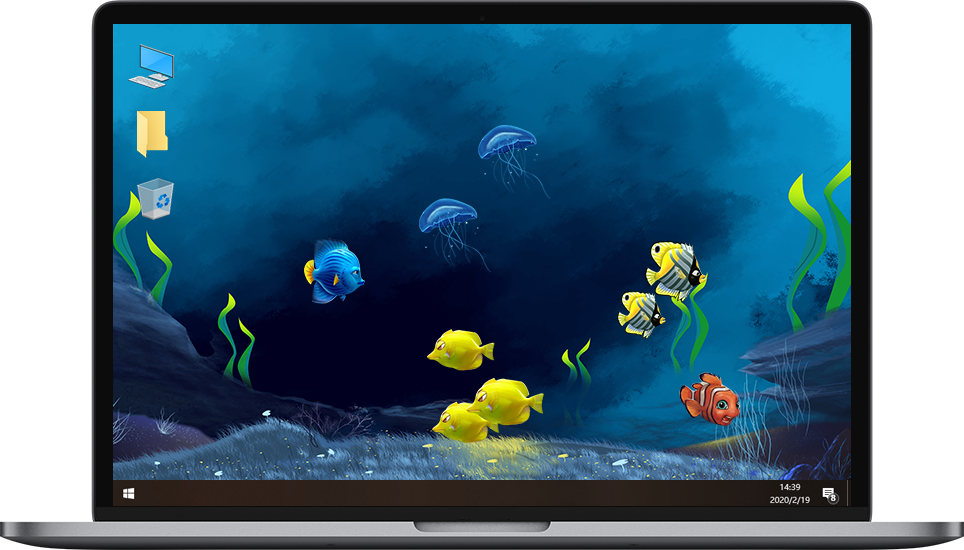
Each refresh will randomly render the wallpaper, with rich pictures, so that the desktop always stays fresh

Extremely low system resource overhead,0% CPU utilization most of the time

A lot of 4K HD resources, can also perfectly adapt to 2K and 1080P resolutions

Massive wallpapers, you can upload your own work
Their work asks a question most of us are unwilling to answer: What if the monster is not a monster, but a person who sees the world in the color of their worst mistake?
In the end, the prison system does not know what to do with the Red Artist. They cannot encourage the work, for fear it will trigger others. But they cannot destroy it entirely, for that would be to admit the art holds too much truth. And so the red paintings sit in storage rooms, in the back of therapy offices, or hidden under bunks, waiting for a parole board—or history—to decide whether they are evidence of a sickness or proof of a cure. prison the red artist
This is uncomfortable for the prison system. Rehabilitation demands remorse, but not spectacle . The Red Artist’s work is too raw, too unprocessed for most therapy programs. In one notorious case from a Pennsylvania correctional facility, an artist known only by his number, 77821, painted a series titled The Second Before . Each canvas showed a different crime—a shove, a trigger pull, a broken bottle—from the perpetrator’s point of view. The only vivid color was the spatter or bloom of red. The prison administration confiscated the series, citing “security concerns” and “potential to incite violence.” Their work asks a question most of us
Prison art is often pigeonholed. We expect religious iconography, nostalgic landscapes, or airbrushed portraits of family members left behind. But every so often, a different artist emerges—the one the guards call “the Red Artist.” This is not a formal title, but a hushed descriptor passed between inmates and correctional officers alike. It refers to someone for whom red is not merely a pigment, but a language. To understand the Red Artist, one must first understand the deprivation of color. In the sensory desert of a penitentiary, where even the food is beige, a single vibrant hue can become an obsession. Red is the most emotionally volatile color in the spectrum. It signals danger, passion, blood, and sacrifice. For a prisoner, red is the color of the wound that put them there, the anger they must swallow daily, and the forbidden heat of desire. But they cannot destroy it entirely, for that
One former inmate, who served twelve years in a Midwest state prison, recalls a cellmate named Marcus. “He painted with ketchup,” the inmate said, requesting anonymity. “Not because he was crazy, but because it was the only true red he could get. He’d let it dry thick so it looked like dried blood. His murals were all about the moment right before a crime—the tension, the flash. It made the guards nervous.” What distinguishes the Red Artist from a conventional prisoner-artist is the nature of the confession. Where most inmates use art to assert innocence or depict a peaceful future, the Red Artist wallows in guilt. Their work is a relentless, unflattering autopsy of their own violence. They paint their victims not as angels, but as ordinary people caught in a terrible, red moment.
Yet, paradoxically, the Red Artist often has the lowest rates of recidivism. Art therapists have noted that externalizing violent urges onto a canvas, particularly using a color as potent as red, can serve as a form of catharsis that talk therapy cannot reach. “It’s the difference between saying ‘I feel angry’ and painting a picture of anger so real it makes you step back,” says Dr. Elena Vance, a forensic art therapist. “The Red Artist is not glorifying violence. They are exorcising it.” The real story of the Red Artist, however, is not about the prisoner—it is about us. When we view art created behind bars, we want redemptive narratives. We want landscapes that suggest a soul reformed. The Red Artist refuses that comfort. They shove our face into the mess of justice: the blood that cannot be washed off, the anger that does not fade with time.
The Red Artist does not use red sparingly. They drown their canvases in it. Using smuggled coffee grounds, crushed ramen seasoning packets, or—in more extreme cases—their own blood, they create images of mouths open in screams, of sunsets bleeding into black seas, of figures with crimson hands reaching through bars that are not drawn, only implied.