Trusted by the World's Leading Organizations

Professional Data Recovery Software For Any Type Of Data Loss

[repack] - Xxx Blobcg

The problem it solved was ancient: how to carry complex biology across the void without the dead weight of pre-made supplies. On a six-year voyage to the methane lakes of Titan, every gram mattered. Sending seeds, medicines, or spare tissues was inefficient. The XXX BlobCG was the answer: a dormant, resilient protist that, when activated, could become anything .

The Blob didn’t freeze. Instead, it reorganized its membranes into a chain of antifreeze glycoproteins and cross-linked hydrocarbons. In ninety seconds, it had expanded, hardened, and fused with the hull, becoming more airtight than the original metal. The readout showed it was actively repairing its own micro-fractures.

But the true power of the XXX BlobCG revealed itself on Titan. A methane storm ruptured the habitat’s carbon-fiber hull. Standard sealants failed in the –179°C cold. Aris, suited up, scraped a fingernail-sized fleck of Blob from the ship’s backup vat. She smeared it into the crack and uploaded a new program: . xxx blobcg

The first test was mundane: food. The ship’s printer extruded a small cube of the Blob’s base matrix. Aris injected a digital sequence—a recipe for complex carbohydrates and vitamin C. Within thirty minutes, the translucent cube turned opaque and orange. She bit into it. It tasted like a tangy potato. Perfect.

Dr. Aris Thorne wiped a smear of condensation from the incubation chamber. Inside, suspended in a golden nutrient gel, was the future of off-world survival: the . The problem it solved was ancient: how to

The name was deliberately crude. "XXX" stood for "Cross-Environmental Extremophile," "Blob" described its amorphous, multi-nucleated structure, and "CG" meant "Cell Generator." To the engineers at the Kepler Biofoundry, it looked like a lump of translucent, pinkish silicone. But Aris knew it was a living, programmable factory.

Aris tapped the console. A hologram flickered to life, showing the Blob’s inner architecture. Unlike a stem cell, which had fixed DNA, the BlobCG contained 247 synthetic "chromatin loops"—folded strands of artificial genetic code that were rewritable on the fly. A software update could turn its metabolic pathways from photosynthesis to chemosynthesis in under an hour. The XXX BlobCG was the answer: a dormant,

The second test was medical. A crewmate, Jax, had shattered his fibula during a cargo maneuver. The infirmary’s tissue printer was offline. Aris took a pea-sized sample of the BlobCG, loaded a "bone scaffold" protocol, and placed it in a bioprinter. The Blob didn’t just grow hydroxyapatite crystals; it organized them into a trabecular lattice, exactly matching Jax’s bone density markers. Six weeks later, he was walking.


Three Steps For Recovering Lost Data From Windows
Operating System

  • Step 1: Scan For Lost Data

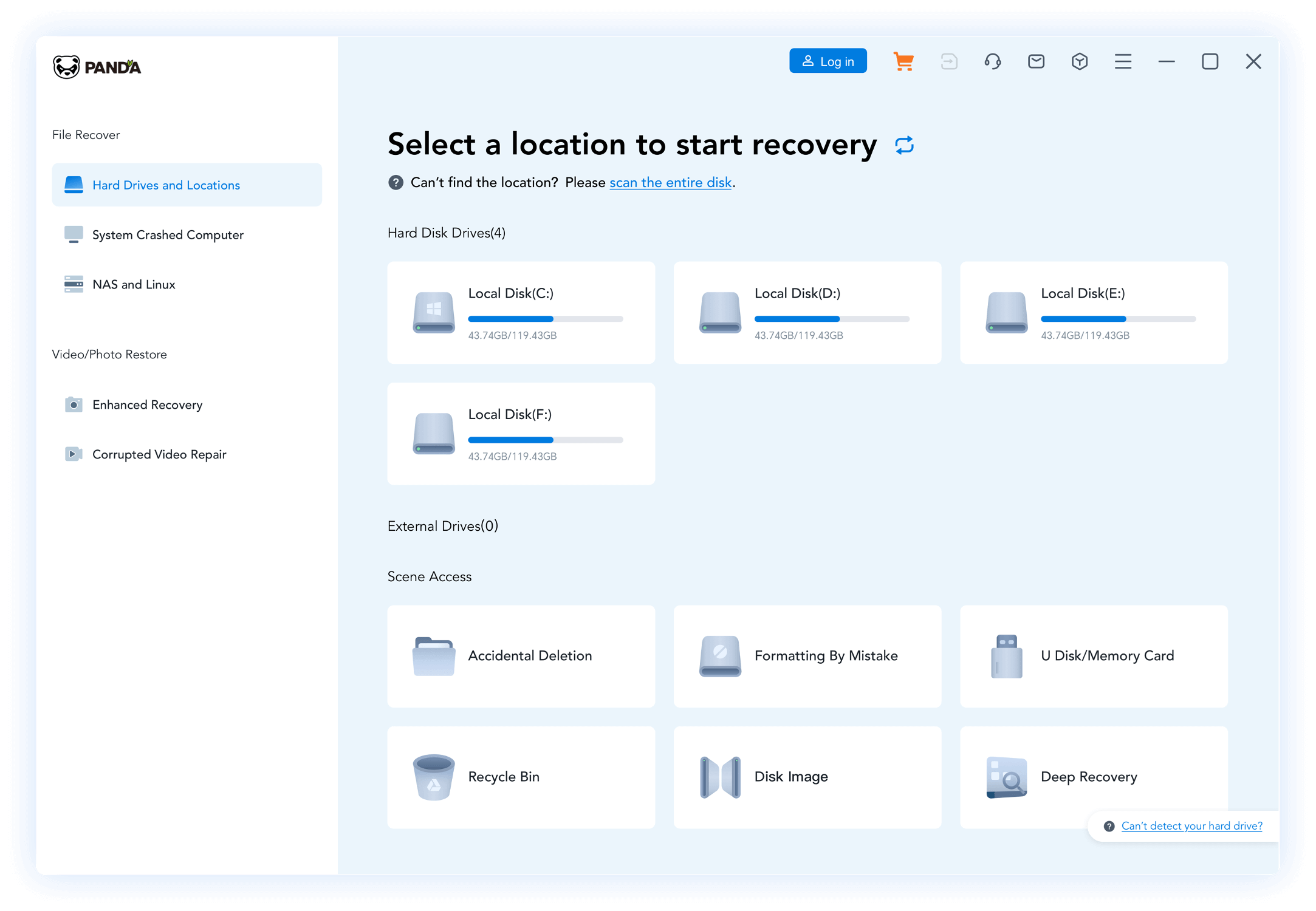
    Run Drecov software, select the location of the lostfiles, and start scanning.

  • Step 2: Preview Lost Data

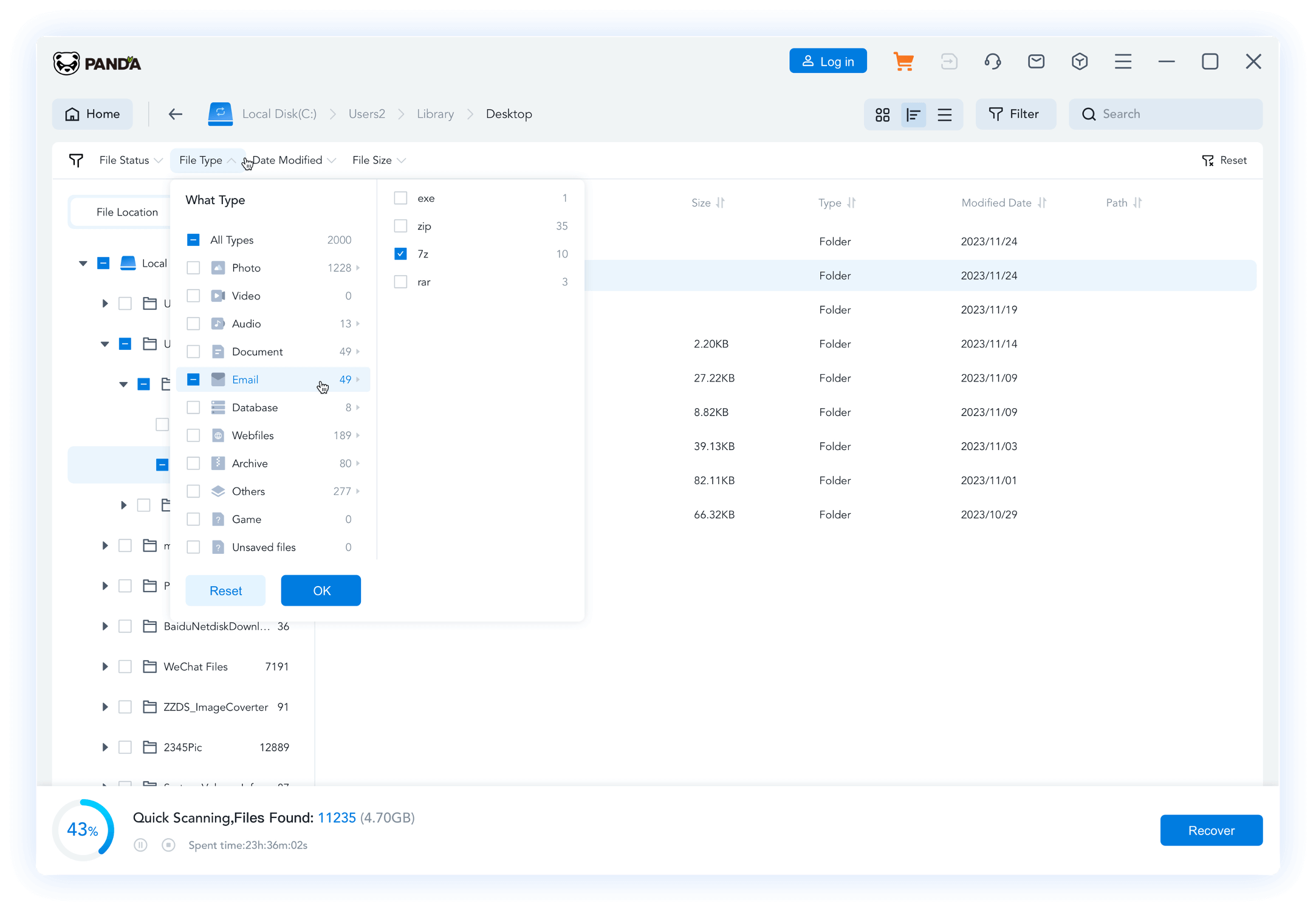
    Preview lost files during scanning, search files by file type, and preview all recoverable data.

  • Step 3: Recover Lost Data

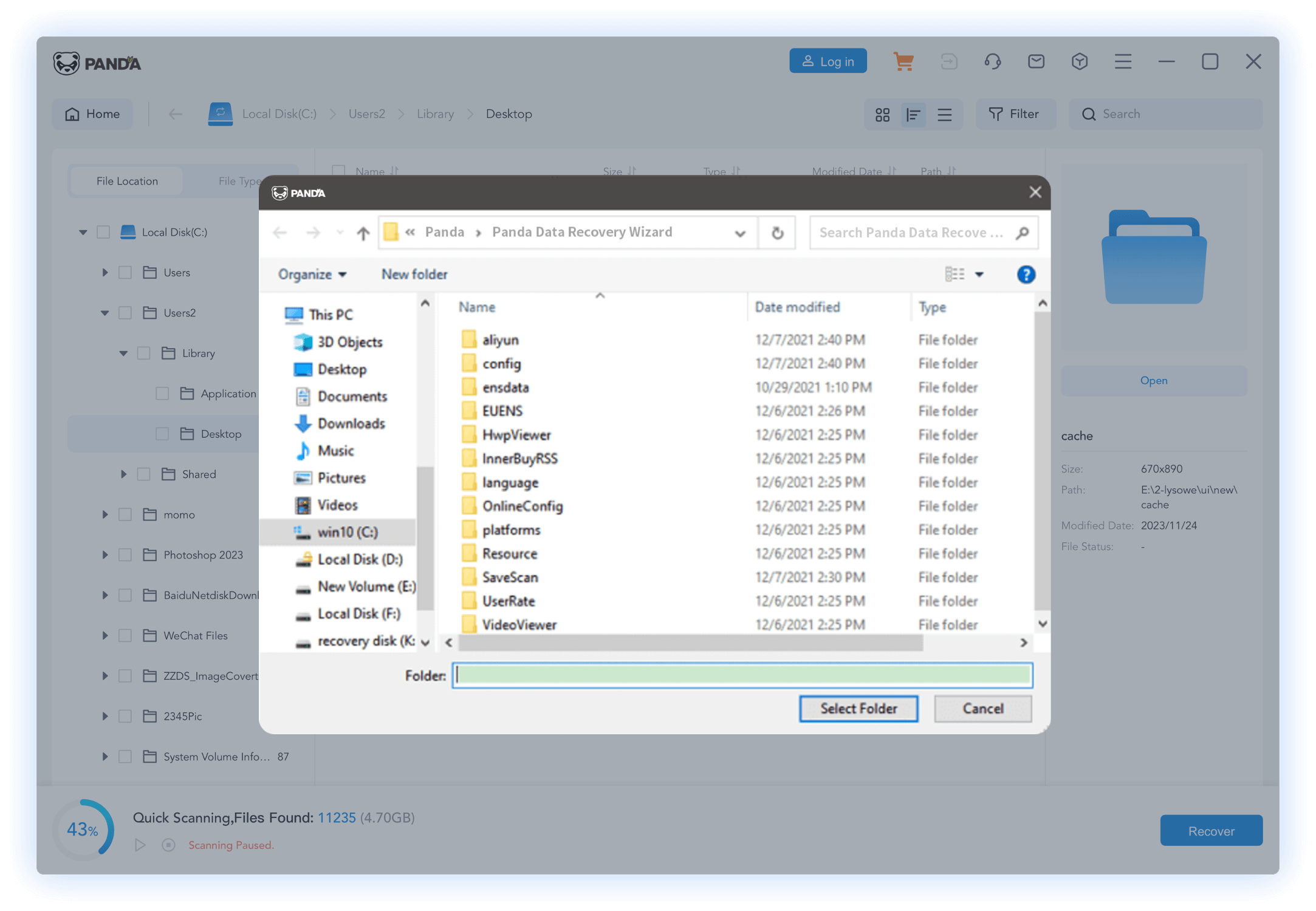
    Select the lost files you wish to recover and click "Recover" to save the data to a new drive.

Step 1: Scan For Lost Data

Positive Reviews From Users Around the World

  • yahoo! yahoo!

    Data recovery apps cannot retrieve everything, but Drecov software has been proven in tests to recover lost and deleted files, including files that could not be found on other data recovery software.

  • Interesting Engineering Interesting Engineering

    Recover lost files, including images, videos, songs, files, emails, or archived files. Other functions include filters, preview options and deep scanning.

  • Softpedia Softpedia

    Drecov software is one of the most powerful file recovery programs we have used. It comes with advanced functions, an excellent user interface and fast deep scanning tools.

  • Ava

    Ava

    Very quickly and easily to get lost data back from many kinds of devices.

  • Sophia

    Sophia

    It works well on recovering so many files from my Samsung laptop. Thanks a lot!

  • Benjamin

    Benjamin

    Good file recovery software, but it takes some time to scan your computer.

The problem it solved was ancient: how to carry complex biology across the void without the dead weight of pre-made supplies. On a six-year voyage to the methane lakes of Titan, every gram mattered. Sending seeds, medicines, or spare tissues was inefficient. The XXX BlobCG was the answer: a dormant, resilient protist that, when activated, could become anything .

The Blob didn’t freeze. Instead, it reorganized its membranes into a chain of antifreeze glycoproteins and cross-linked hydrocarbons. In ninety seconds, it had expanded, hardened, and fused with the hull, becoming more airtight than the original metal. The readout showed it was actively repairing its own micro-fractures.

But the true power of the XXX BlobCG revealed itself on Titan. A methane storm ruptured the habitat’s carbon-fiber hull. Standard sealants failed in the –179°C cold. Aris, suited up, scraped a fingernail-sized fleck of Blob from the ship’s backup vat. She smeared it into the crack and uploaded a new program: .

The first test was mundane: food. The ship’s printer extruded a small cube of the Blob’s base matrix. Aris injected a digital sequence—a recipe for complex carbohydrates and vitamin C. Within thirty minutes, the translucent cube turned opaque and orange. She bit into it. It tasted like a tangy potato. Perfect.

Dr. Aris Thorne wiped a smear of condensation from the incubation chamber. Inside, suspended in a golden nutrient gel, was the future of off-world survival: the .

The name was deliberately crude. "XXX" stood for "Cross-Environmental Extremophile," "Blob" described its amorphous, multi-nucleated structure, and "CG" meant "Cell Generator." To the engineers at the Kepler Biofoundry, it looked like a lump of translucent, pinkish silicone. But Aris knew it was a living, programmable factory.

Aris tapped the console. A hologram flickered to life, showing the Blob’s inner architecture. Unlike a stem cell, which had fixed DNA, the BlobCG contained 247 synthetic "chromatin loops"—folded strands of artificial genetic code that were rewritable on the fly. A software update could turn its metabolic pathways from photosynthesis to chemosynthesis in under an hour.

The second test was medical. A crewmate, Jax, had shattered his fibula during a cargo maneuver. The infirmary’s tissue printer was offline. Aris took a pea-sized sample of the BlobCG, loaded a "bone scaffold" protocol, and placed it in a bioprinter. The Blob didn’t just grow hydroxyapatite crystals; it organized them into a trabecular lattice, exactly matching Jax’s bone density markers. Six weeks later, he was walking.

This website uses cookies to ensure you get the best experience on our website. Learn more
Got it
Support
xxx blobcg PandaOffice Online Support
  • Welcome to our online support service, please select or enter your question, we will be happy to help you!
  • You may be interested in:

    Change