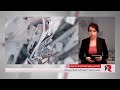
هاوپەیمانیی هێزە سیاسییەکانی کوردستانی ئێران:

بە ڕووخاندنی کۆماری ئیسلامی ئامانجەکانی شەهیدانمان دێنە دی لە چەند ڕۆژی ڕابردوودا کۆماری ئیسلامیی ئێران دەستدرێژی و هێرشە مووشەکی و دڕۆنییەکانی بۆ سەر هەرێمی کوردستان چڕتر کردووە. شەوی ڕابردووش بنکەکانی حیزبەکانی ڕۆژهەڵاتی...
ڕاستەوخۆ

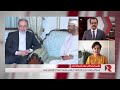
وتووێژەکانی نێوان ئامریکا و ئێران بە نێوەندگیری عومان بەردەوامە

Free4pc.org !!better!! May 2026

The primary appeal of a site named free4pc.org is obvious: cost. High-quality software—from creative suites like Adobe Photoshop to productivity tools like Microsoft Office—can cost hundreds of dollars. For students, hobbyists, or users in developing economies, these prices are prohibitive. Websites offering "cracked" or "repacked" versions of such software provide an immediate solution to economic barriers. In this sense, platforms like free4pc.org can be seen as grassroots responses to digital inequality, challenging the pricing models of large corporations. They operate on a gift economy logic, where shared access trumps individual profit.

The Double-Edged Sword: An Analysis of Free Software Platforms like free4pc.org free4pc.org

In the vast landscape of the internet, domains like free4pc.org occupy a controversial yet persistently popular niche. At first glance, the name suggests a benevolent mission: providing free software, tools, or games for personal computers. However, a critical examination of such platforms reveals a complex interplay between digital access, economic reality, and cybersecurity. While sites like free4pc.org promise to democratize software access, they often operate in the legal and ethical gray zones of copyright infringement, presenting users with a Faustian bargain of free content at potential personal risk. The primary appeal of a site named free4pc

In conclusion, free4pc.org —as a representative of its genre—embodies a fundamental tension of the information age. It offers a tantalizing vision of frictionless, free access to digital tools, challenging corporate hegemony. Yet, the practical reality is often one of high-stakes risk: the threat of malware, legal ambiguity, and ethical compromise. For the savvy user, the safest path remains the legitimate one: utilizing genuinely free open-source alternatives (like GIMP for images or LibreOffice for documents) or taking advantage of trial versions and student discounts. The promise of free4pc.org is a powerful one, but it is a promise that all too frequently comes with an invoice paid not in dollars, but in digital security and peace of mind. Websites offering "cracked" or "repacked" versions of such

Legally, the situation is equally fraught. Copyright laws in most jurisdictions explicitly prohibit the distribution of cracked software. While the individual downloader may face minimal risk, the operators of free4pc.org engage in clear digital piracy. This undermines software developers, particularly small independent creators who rely on every sale. Even if the target is a large company like Microsoft, the cumulative effect of widespread piracy devalues intellectual property and can lead to higher prices for legitimate consumers. Thus, free4pc.org exists in a perpetual cat-and-mouse game with internet service providers, legal authorities, and anti-piracy groups, often resulting in domain seizures or sudden disappearances.

The primary appeal of a site named free4pc.org is obvious: cost. High-quality software—from creative suites like Adobe Photoshop to productivity tools like Microsoft Office—can cost hundreds of dollars. For students, hobbyists, or users in developing economies, these prices are prohibitive. Websites offering "cracked" or "repacked" versions of such software provide an immediate solution to economic barriers. In this sense, platforms like free4pc.org can be seen as grassroots responses to digital inequality, challenging the pricing models of large corporations. They operate on a gift economy logic, where shared access trumps individual profit.

The Double-Edged Sword: An Analysis of Free Software Platforms like free4pc.org

In the vast landscape of the internet, domains like free4pc.org occupy a controversial yet persistently popular niche. At first glance, the name suggests a benevolent mission: providing free software, tools, or games for personal computers. However, a critical examination of such platforms reveals a complex interplay between digital access, economic reality, and cybersecurity. While sites like free4pc.org promise to democratize software access, they often operate in the legal and ethical gray zones of copyright infringement, presenting users with a Faustian bargain of free content at potential personal risk.

In conclusion, free4pc.org —as a representative of its genre—embodies a fundamental tension of the information age. It offers a tantalizing vision of frictionless, free access to digital tools, challenging corporate hegemony. Yet, the practical reality is often one of high-stakes risk: the threat of malware, legal ambiguity, and ethical compromise. For the savvy user, the safest path remains the legitimate one: utilizing genuinely free open-source alternatives (like GIMP for images or LibreOffice for documents) or taking advantage of trial versions and student discounts. The promise of free4pc.org is a powerful one, but it is a promise that all too frequently comes with an invoice paid not in dollars, but in digital security and peace of mind.

Legally, the situation is equally fraught. Copyright laws in most jurisdictions explicitly prohibit the distribution of cracked software. While the individual downloader may face minimal risk, the operators of free4pc.org engage in clear digital piracy. This undermines software developers, particularly small independent creators who rely on every sale. Even if the target is a large company like Microsoft, the cumulative effect of widespread piracy devalues intellectual property and can lead to higher prices for legitimate consumers. Thus, free4pc.org exists in a perpetual cat-and-mouse game with internet service providers, legal authorities, and anti-piracy groups, often resulting in domain seizures or sudden disappearances.
هاوپەیمانیی هێزە سیاسییەکانی کوردستانی ئێران:

بە ڕووخاندنی کۆماری ئیسلامی ئامانجەکانی شەهیدانمان دێنە دی لە چەند ڕۆژی ڕابردوودا کۆماری ئیسلامیی ئێران دەستدرێژی و هێرشە مووشەکی و دڕۆنییەکانی بۆ سەر هەرێمی کوردستان...

هێرشەکانی ڕێژیم هەنگاوی خەبات و بەردەوامیمان پێ شل ناکا

خەڵکی خەباتکار و تێکۆشەری کوردستان! لە چەند ڕۆژی ڕابردوودا کۆماری ئیسلامیی ئێران بە بەردەوامی بە مووشەک و دڕۆن بنکەکانی هێزە سیاسییەکانی ڕۆژهەڵاتی کوردستان بە ئامانج...

رۆژی چوارەمی هێرشە هاوبەشەکانی ئێسرائیل و ئامریکا بۆ سەر ئێران

وتەبێژی ئەرتشی ئیسرائیل ڕایگەیاند کە بەرەبەیانی ڕۆژی سێشەممە، دەیان فڕۆکەی جەنگیی هێزی ئاسمانیی ئەو وڵاتە "کۆمەڵگەی ڕێبەریی کۆماری ئیسلامی"یان لە ناوەندی تاران کردووەتە ئامانج. ئەم کۆمەڵگەیە کە شوێنی بەڕێوەچوونی کۆبوونەوە گرنگە...

پیام عبداللە مهتدی رو بە نیروهای نظامی کُرد

افسران و نظامیان آزادی‌خواه کرد، افسران و نظامیانی که در مناطق مختلف کردستان خدمت می‌کنید، نفس‌های رژیم جمهوری اسلامی به شماره افتاده است. رژیمی که کشور...

یەکەم وێنەی مانگە دەستکردەکان لە شوێنی نیشتەجێبوونی عەلی خامنەیی دوای هێرشەکانی ئامریکا و ئیسرائیل بڵاوکرایەوە

ڕۆژنامەی نیویۆرک تایمز لە تۆڕی کۆمەڵایەتیی ئێکس، وێنەیەکی مانگی دەستکردی لە شوێنی نیشتەجێبوونی فەرمیی عەلی خامنەیی، لە نزیک مەیدانی پاستۆری تاران، دوای هێرشە ئاسمانییەکانی...

خولی سێیەمی دانوستانەکانی واشێنگتۆن و تاران لە ژنێف بەڕێوەچوو

ئەمڕۆ پێنجشەممە گەڕێکی دیکەی دانوستانی نێوان ئێران و ئامریکا لە ژنێف کاتژمێر ٩ی بەیانی بە بەشداری شاندێکی ئێرانی بە سەرۆکایەتی عەباس عێراقچی وەزیری دەرەوەی کۆماری ئیسلامی و شاندێکی ئامریکایش...

خولی سێهەمی دانووستانەکان ڕۆژی پێنجشەممە لە ژێنێف بەرێوە دەچێت

میدیاکانی ئێران ڕایانگەیاندووە کە شاندێک بە سەرۆکایەتی عەباس عێراقچی، وەزیری کاروباری دەرەوەی کۆماری ئیسلامی، بە مەبەستی ئەنجامدانی خولی سێهەمی دانوستانەکان لەگەڵ ویلایەتە یەکگرتووەکانی ئامریکا، بەرەو ژێنێفی سویس بەڕێکەوتووە. بڕیارە...